An ecological
approach to
psychedelics
Psygaia is an independent nonprofit grounding psychedelic practice in nature, interdisciplinary research, and community.
Fostering wholeness through grounded psychedelic practice.
Psychedelics can dissolve the boundary between self and world, revealing a unity with living systems that is as biological as it is sacred. Researchers call it mystical experience; we understand it as ecological attunement — a latent capacity activated under the right conditions.
We believe this capacity is urgently needed. The ecological, psychological, and cultural crises of our time are not separate problems — they are symptoms of a disconnection from the living systems we belong to.
Psygaia was founded to study how psychedelics can help restore that connection, and to support people in sustaining what it opens. Our work draws on a thesis developed at the University of Ottawa.
Explore the researchRigorously grounded
Rooted in interdisciplinary research, graduate-level scholarship, and honest engagement with what the evidence actually says.
Ecologically situated
Psychedelics are ecological molecules from intelligent organisms within living systems. They're not just medicine for individual healing. They situate us in something larger.
Harm-reduction first
We don't moralize or romanticize. We help people engage with psychedelics as safely and intentionally as possible, wherever they are.
Nonprofit & independent
Psygaia is a registered nonprofit society in British Columbia, Canada. We are not funded by pharmaceutical interests. Our mission is holistic education and responsible access, not profit.
Psychedelics can dissolve the boundary between self and world, revealing a unity with living systems that is as biological as it is sacred.
Trained. Experienced.
Human.
Spanning psychedelic science, ecology, clinical practice, and Indigenous knowledge — united by a shared commitment to grounded, ethical work.
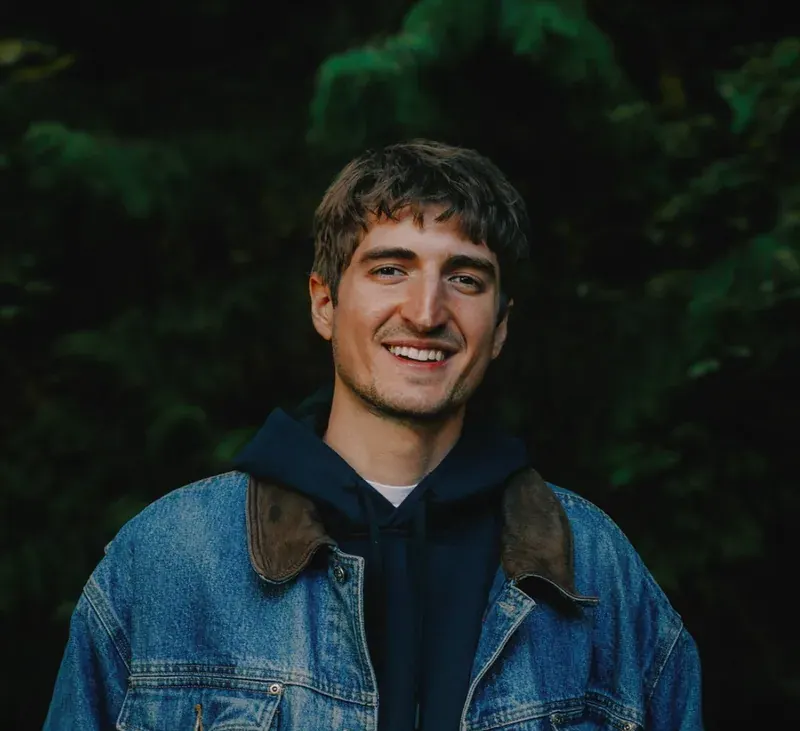
Louis Belleau, MA
Founder · Lead Guide
Researcher specializing in psychedelic and ecological medicine. Founder of Psygaia and developer of the Psygaia Hypothesis at the University of Ottawa. Yoga, meditation, and breathwork teacher. Retreat facilitator.
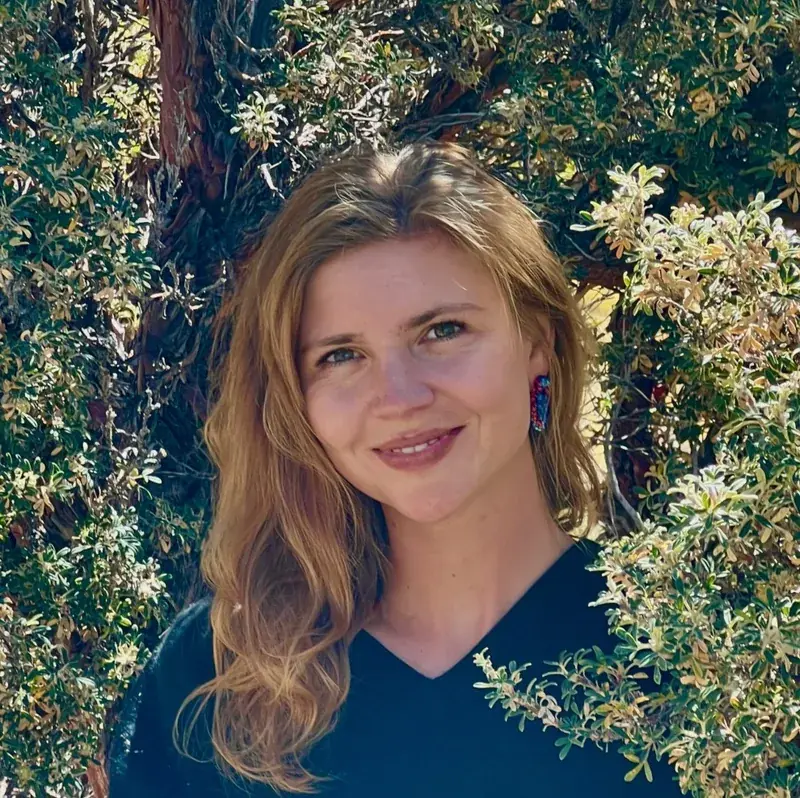
Leonie Staas
Climate & Active Hope
Psychedelic practitioner and integration specialist with a background in climate, eco-anxiety, and The Work That Reconnects.

Juliette Mohr
Ethics & Culture
Ethnic studies researcher exploring how colonialism shapes the psychedelic field and the natural world. Co-author of Whole Medicine, a guide to ethics and harm reduction in psychedelic communities.

Rachel Simon, MSc
Science & Research
Graduate researcher focused on the cognitive mechanisms driving long-term psychological change after psychedelic experiences.
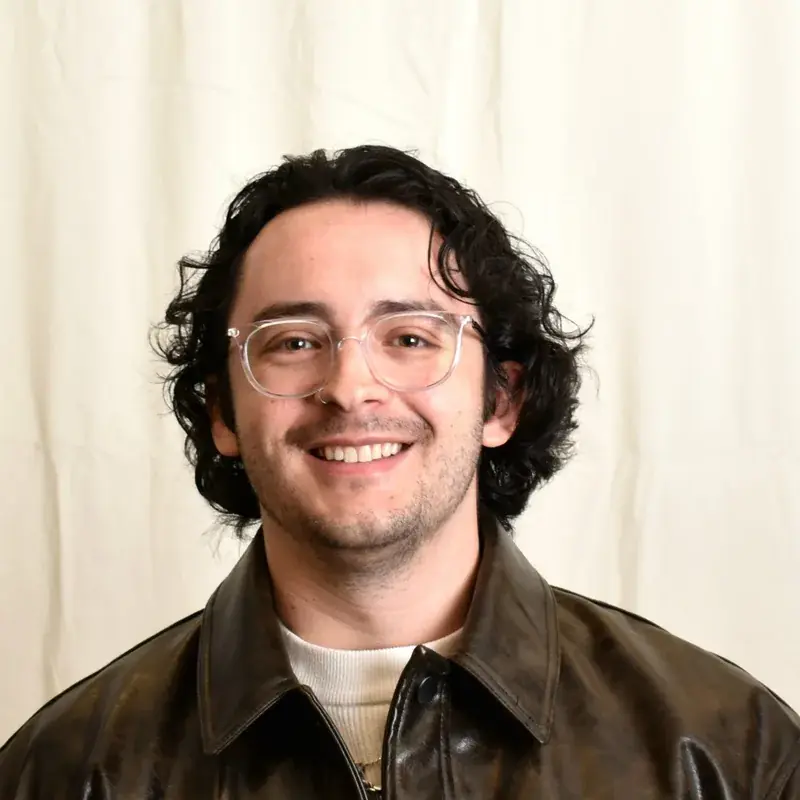
Rafael Orozco
Law, Policy & Biocultural Ethics
Cultural exchange facilitator and multi-grant recipient researching the ethical evolution of the psychedelic industry. Bridging law, economics, and biocultural traditions to make psychedelics collectively beneficial.
Built on rigorous
foundations.
Psygaia is guided by researchers, clinicians, and educators across ecology, psychedelic science, and Indigenous knowledge systems.
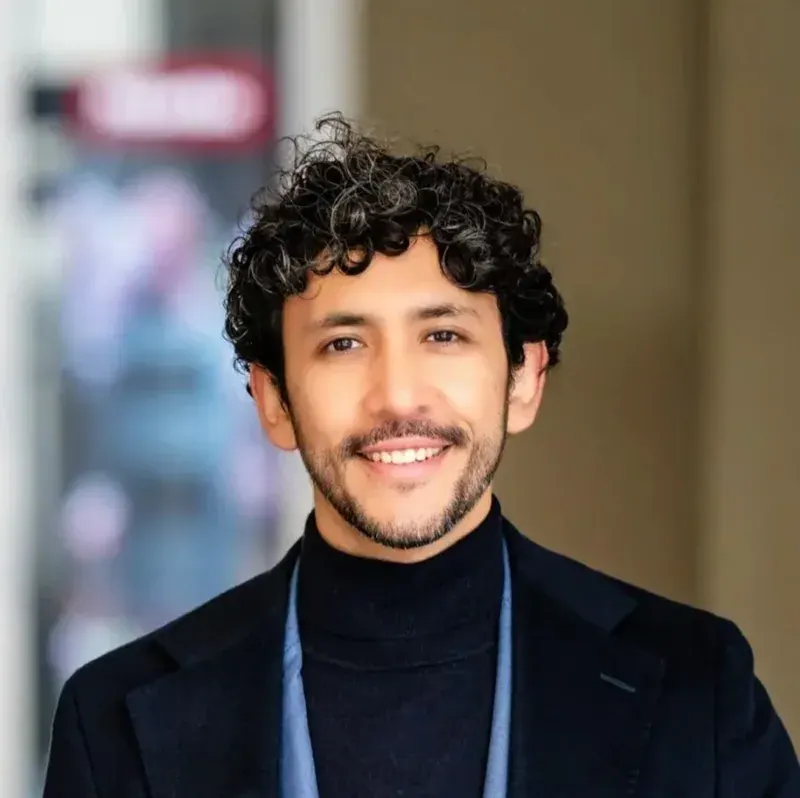
Sergio Pérez Rosal, MD
Psychedelic Medicine
University of Ottawa
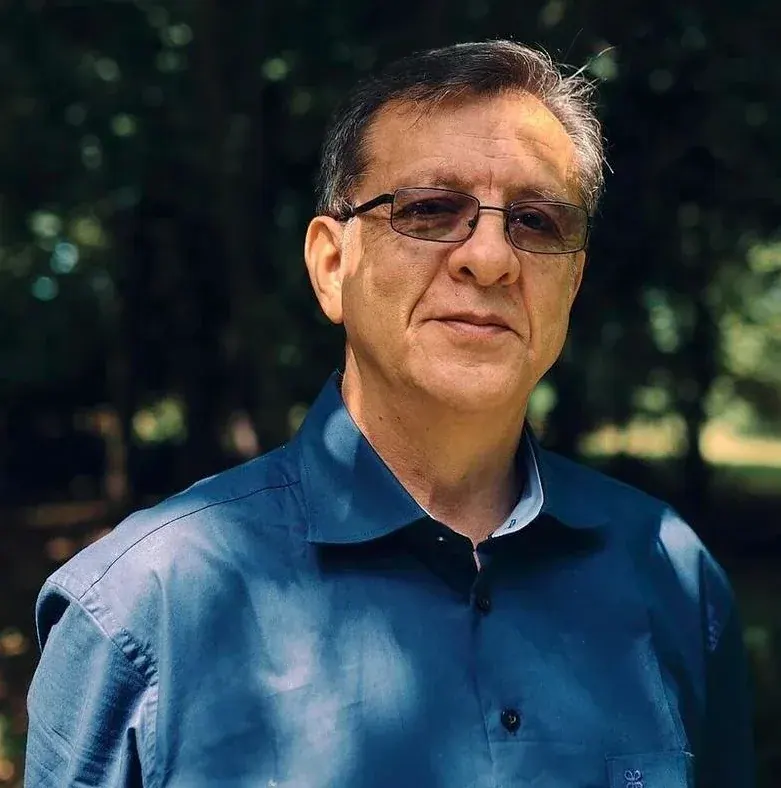
Luis Eduardo Luna, PhD
Anthropology & Religious Studies
Wasiwaska Research Centre
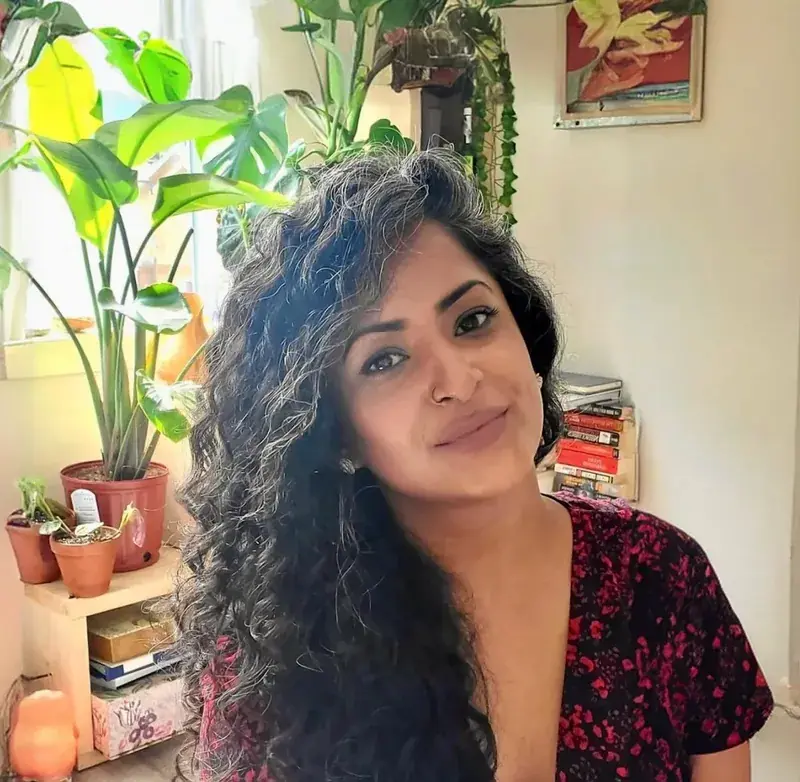
Vanathy Paranthaman, RN
Mental Health & Nursing
Conscious Minds Clinic
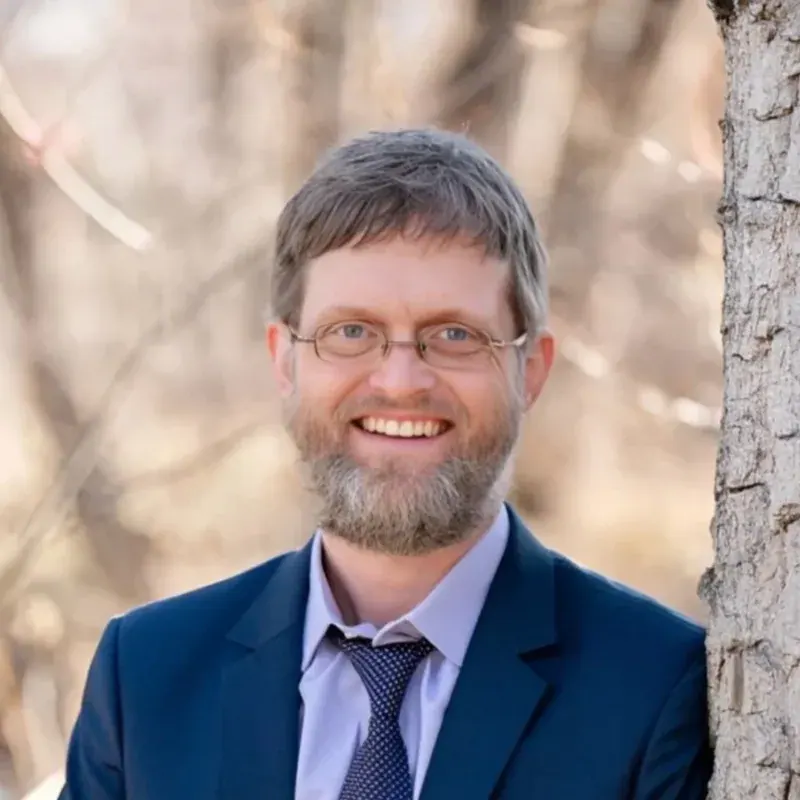
Travis Cox, PhD
Ecopsychology & Psychedelics
Naropa University
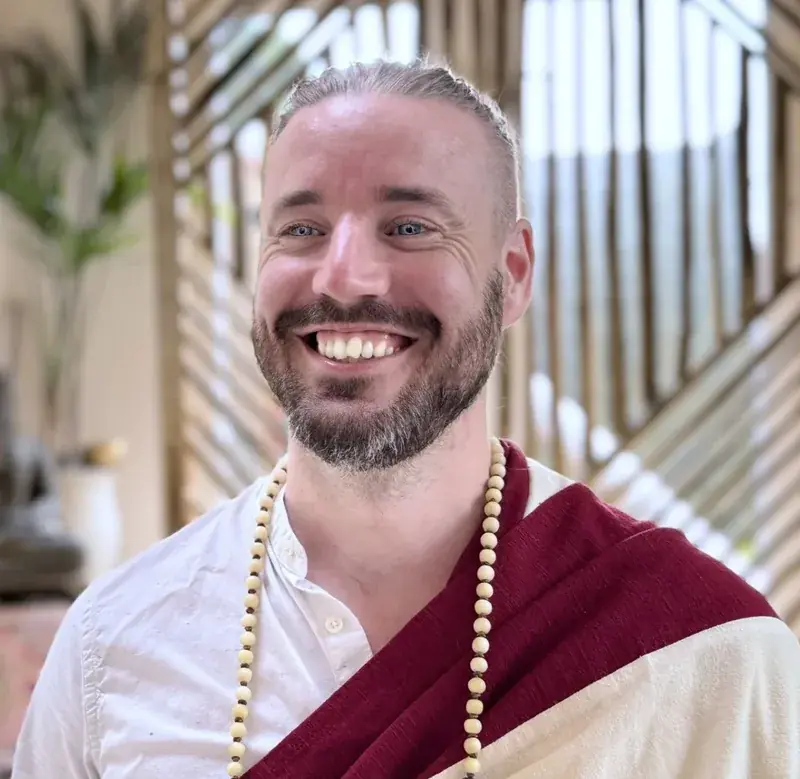
Martijn Schirp
Buddhism & Contemplative Training
Upayosis
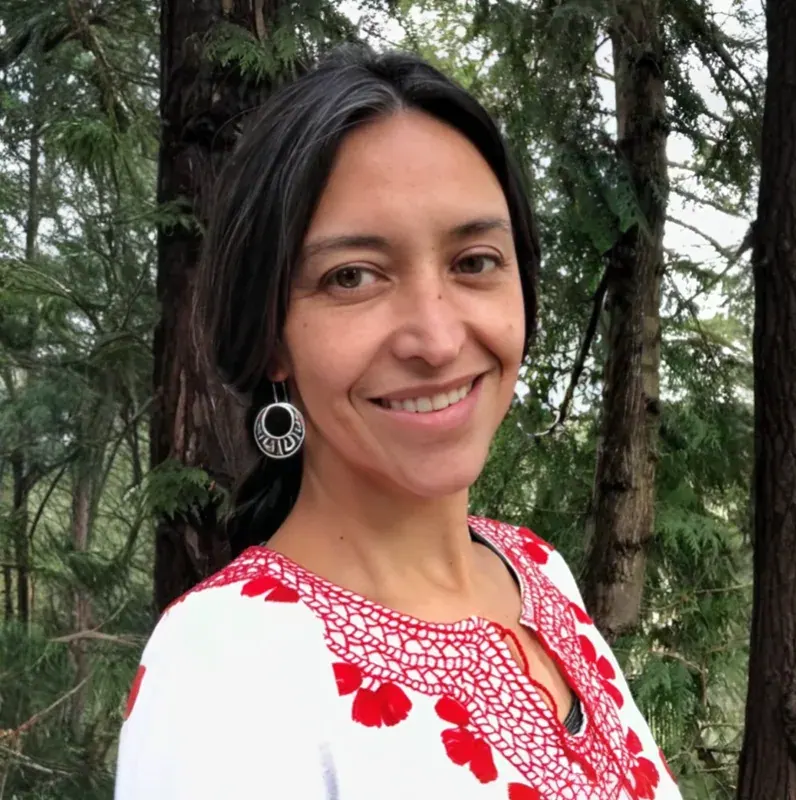
Jimena Garcia
Indigenous Knowledge
Vancouver Island University
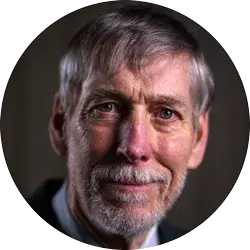
Bruce Tobin, PhD
Psychedelic Therapy
TheraPsil
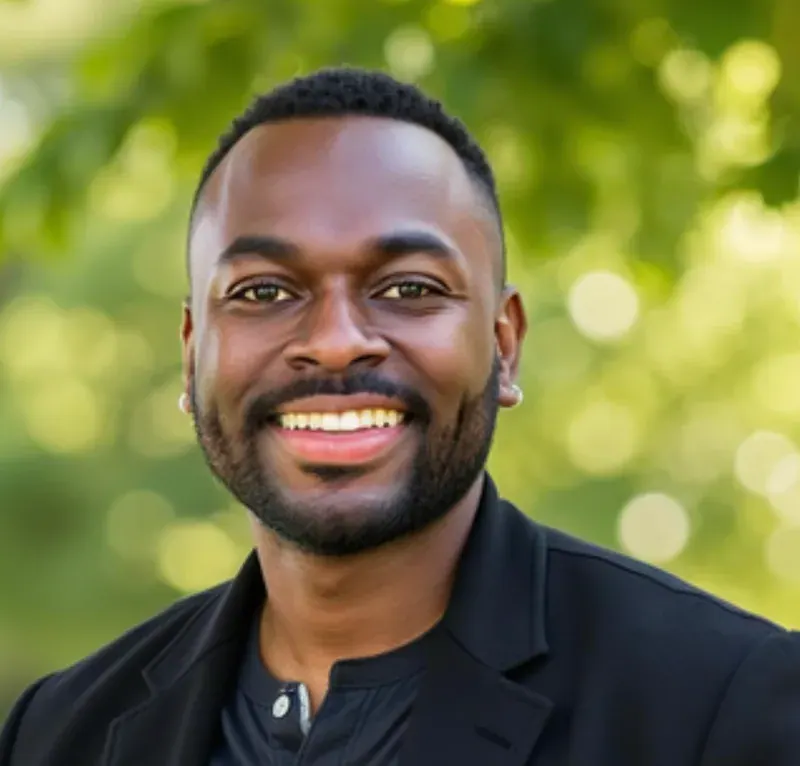
Kwasi Adusei, DNP, PMHNP
Psychiatric Nursing
Mosaic Medicine
Ready to get started?
Explore the program, book a coaching session, or join the community. Every path begins with a single step.
Partners & Collaborators